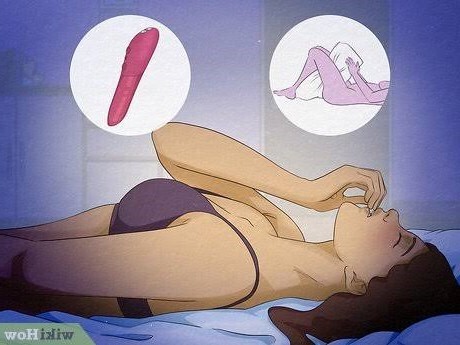
There is no guaranteed method for making a woman squirt. Some women expel fluid during arousal or orgasm, and many never do. What improves the odds is the same thing that improves sex in general: deep relaxation, unhurried stimulation, good communication, and no pressure to perform. This guide explains what is happening in the body and which approaches partners commonly find helpful.
What the Body Is Doing When Fluid Is Released
Squirting is often used as a casual term for female ejaculation, though researchers sometimes separate the two. Female ejaculation usually refers to a smaller amount of thicker, milky fluid. Squirting refers to a larger, clearer release of fluid from the urethra.
The fluid in the first case appears to come from the Skene’s glands, small structures near the lower end of the urethra that are sometimes called the female prostate. Studies have found prostate-specific antigen in this fluid, which supports the link. Larger releases appear to involve fluid from the bladder as well, and chemical analyses have found components that overlap with urine, along with other substances. Research is limited and small, so scientists still debate the details.
Squirting vs. Urination: Why the Confusion Is Common
Many women worry that they are urinating during sex. The sensation of needing to pee is actually one of the most common feelings reported just before a squirting release, because the same area is being stimulated. Emptying the bladder beforehand can ease that anxiety. If some fluid is released anyway, it is normal and not a sign that anything is wrong.
Why Comfort Comes Before Technique
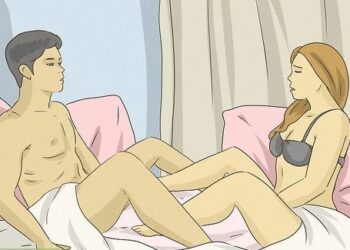
Stress and self-consciousness are the biggest obstacles. Squirting tends to happen when the pelvic floor is both engaged and able to release, which is difficult to reach when someone feels watched, rushed, or embarrassed.
A few practical steps help:
- Choose a private, unhurried setting.
- Lay down a towel so mess is not a distraction.
- Talk beforehand about what each person is comfortable with.
- Treat the outcome as optional. Pleasure is the goal; fluid is a possible side effect.
Building Arousal First
Stimulation aimed at the G-spot works best when the body is already highly aroused. Rushing to internal stimulation often feels uncomfortable or irritating. Kissing, touch, oral sex, and clitoral stimulation build blood flow and lubrication, which make everything that follows feel better.
Most women need a good deal of time. Reading her responses, such as breathing changes, muscle tension, and sounds, is more reliable than following a script.
Techniques Many Couples Find Helpful
G-spot stimulation
The G-spot is not a distinct button but a sensitive area on the front wall of the vagina, roughly two to three inches inside. Many women describe it as slightly textured and more responsive once aroused. A curved “come here” motion with one or two fingers, using firm and rhythmic pressure, is the approach most often described. A well-lubricated finger and gradual increases in pressure matter more than speed.
Combining internal and external touch
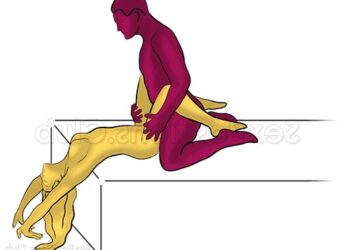
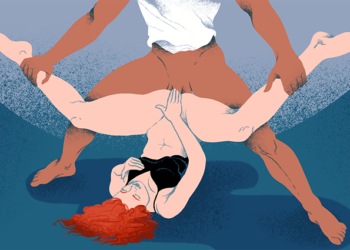
Many women find that squirting occurs when the clitoris is stimulated at the same time as the G-spot. Using a hand, mouth, or a vibrator on the clitoris while applying steady internal pressure is a common combination. Curved G-spot toys are also widely used, since they can maintain pressure without tiring the hand.
Staying consistent near the edge
When she signals that it feels good, the best move is usually to keep doing the same thing. Changing pace or pressure right before a peak often interrupts the build-up. Bearing down gently with the pelvic floor, as if pushing out, may help release fluid for some women.
Safety, Consent and Hygiene
Trim and clean nails, wash hands, and use a water-based lubricant. Stop if there is pain, burning, or numbness. Consent is ongoing, so check in verbally or by paying attention to body language. Anyone who feels persistent pain or has recurring urinary symptoms should speak to a doctor.
When It Does Not Happen
Surveys on how many women have experienced squirting vary widely, which suggests it is far from universal. Not squirting does not mean there is a problem with technique, anatomy, or desire. Orgasm quality is not measured by fluid. Focusing on enjoyment usually produces better intimacy than chasing a particular result.
Conclusion
Making a woman squirt is less about a trick and more about creating conditions where her body can respond: relaxation, trust, sustained arousal, and attentive G-spot and clitoral stimulation. Some women will experience it easily, some occasionally, and some never. All of those outcomes are normal, and a patient, communicative approach is the most reliable way to a satisfying experience.
Frequently Asked Questions
Is squirting the same as female ejaculation? Not always. Many researchers use the terms for two different things: a small amount of thick fluid versus a larger release of thinner fluid.
Can every woman squirt? No. There is no evidence that everyone can, and it does not reflect sexual satisfaction.
Does squirting hurt? It should not. Pain suggests too much pressure, too little lubrication, or a medical issue worth checking.
How long does it usually take? There is no standard timeline. Some women need a long build-up, others respond quickly, and many do not at all.
Can someone learn to squirt alone? Many women explore it on their own because it removes performance pressure and helps them learn what sensations feel good.
Do pelvic floor exercises help? They can improve awareness and control of the pelvic muscles, which some women find useful, though research on squirting specifically is limited.
Is it safe to use toys? Yes, when they are body-safe, cleaned properly, and used with a suitable lubricant.
What should someone do if they feel they have to pee? Emptying the bladder first can help. The urge is common and usually passes once the body relaxes.